
Spider Veins vs Varicose Veins: Symptoms and UK Treatments
Not all visible veins are the same. Some appear as delicate red or blue lines just beneath the skin, while others become enlarged, twisted and uncomfortable over time. Knowing whether you're dealing with spider veins or varicose veins is the first step towards choosing the right treatment and understanding whether there's an underlying circulation problem that needs attention.
Although both conditions affect the superficial veins, they differ significantly in appearance, symptoms, causes and treatment options. In many cases, what looks like a cosmetic concern may actually be a sign of venous insufficiency , where faulty vein valves allow blood to pool in the legs.
At The Vein Surgeons , every treatment journey starts with understanding why the veins have appeared in the first place. Rather than simply treating what is visible, the focus is on identifying the underlying cause and recommending the most effective long-term solution.
Spider veins and varicose veins: what's the difference?
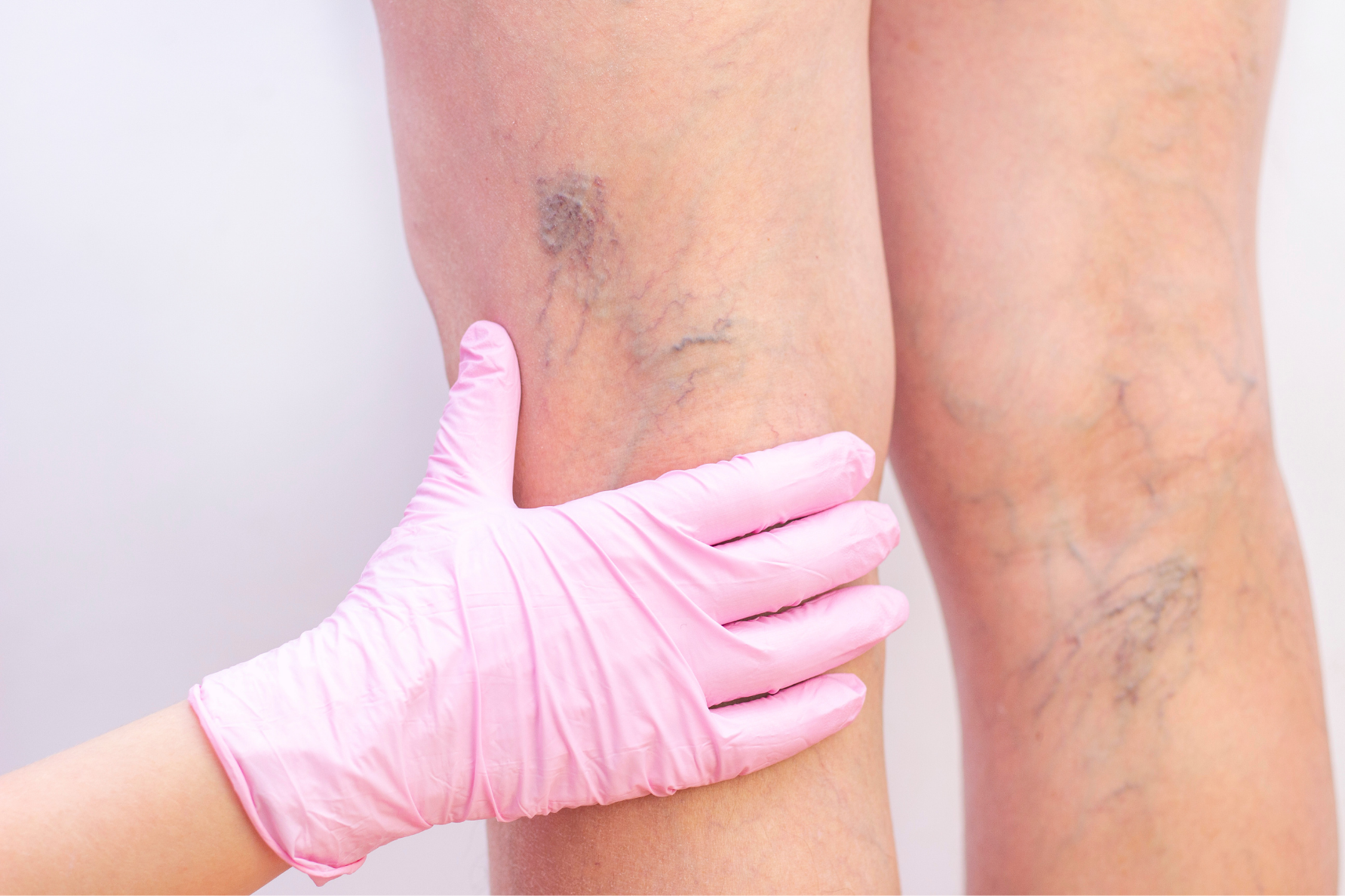
Spider veins, also known as thread veins or telangiectasia , are tiny blood vessels that develop very close to the surface of the skin. They often resemble fine red, purple or blue webs and are commonly seen around the thighs, calves, ankles and feet. Because they are so small, they remain flat against the skin and rarely cause significant physical symptoms, although some people notice mild burning or itching.
Varicose veins are much larger veins that have become stretched because their internal valves no longer work efficiently. Instead of blood flowing smoothly back towards the heart, it begins to travel backwards and pool inside the vein. Over time this increased pressure causes the vein to enlarge, twist and bulge beneath the skin.
While many people think of spider veins as purely cosmetic and varicose veins as purely medical, the reality is more complex. It is very common for someone with spider veins to also have hidden vein reflux beneath the surface, which is why an accurate diagnosis is so important before treatment begins.
Why do these veins develop?
Both spider veins and varicose veins share several risk factors, but they develop for different reasons.
Spider veins usually occur when the smallest blood vessels lose elasticity and become permanently dilated. Genetics play a significant role, but hormonal changes, pregnancy, prolonged standing, sun exposure and ageing all contribute. Women tend to develop them more frequently, particularly during pregnancy or around menopause.
Varicose veins develop because the valves inside larger superficial veins weaken over time. These valves normally prevent blood from flowing backwards, but when they fail, pressure builds within the vein until it enlarges and becomes visible.
Lifestyle can influence how quickly veins worsen, but heredity remains one of the strongest predictors. If one or both parents experienced varicose veins, your own risk is considerably higher.
When visible veins are more than a cosmetic issue
Not every visible vein requires medical treatment, but some symptoms suggest there may be an underlying circulation problem that deserves investigation.
Many patients initially seek treatment because they dislike the appearance of their legs, only to realise they have gradually become accustomed to symptoms such as aching, heaviness or fatigue after standing for long periods.
Other warning signs include swelling around the ankles by the end of the day, itching over prominent veins, skin discolouration, eczema near the ankles or recurrent inflammation of superficial veins.
In more advanced cases, untreated venous disease can eventually lead to skin damage or leg ulcers.
Anyone who experiences sudden swelling in one leg, significant pain, warmth or redness should seek urgent medical assessment, as these symptoms may indicate deep vein thrombosis (DVT) rather than varicose veins.
Why a Duplex ultrasound scan matters
One of the biggest mistakes in vein treatment is focusing only on the veins that can be seen.
At The Vein Surgeons, patients undergoing assessment for leg veins receive a Colour Duplex Ultrasound Scan , which maps both the superficial and deep venous systems from the groin to the ankle.
This painless scan allows your consultant to identify whether blood is flowing normally or refluxing backwards through damaged valves.
If underlying reflux is discovered, treating the visible veins alone is unlikely to provide lasting results. Instead, the underlying problem should be addressed first, significantly reducing the chance of recurrence.
For many patients, this assessment changes the treatment plan entirely and leads to a far better long-term outcome.
Treating spider veins
For leg spider veins, microsclerotherapy remains the gold standard treatment.
During the procedure, a very fine needle is used to inject a specialised solution into the tiny affected veins. The solution causes the vein walls to stick together, after which the body naturally absorbs the treated vessel over the following weeks.
Treatment usually takes less than half an hour and requires no general anaesthetic. Patients are encouraged to walk immediately afterwards and can usually return to normal daily activities straight away.
Visible improvement begins gradually over the following weeks, with the best cosmetic results typically seen after two to three months. Depending on the size and number of thread veins, more than one session may be recommended.
Many people ask whether laser treatment is better. For facial thread veins, laser therapy can work very well. However, for leg spider veins , microsclerotherapy generally provides more reliable and predictable results, particularly when larger blue feeder veins are present beneath the surface.
Modern treatment options for varicose veins
Unlike spider veins, varicose veins usually require treatment of the underlying faulty vein before cosmetic improvement can occur.
Radiofrequency Ablation (RFA)
RFA is now considered the preferred first-line treatment for most patients with varicose veins caused by truncal vein reflux.
Using ultrasound guidance, a thin catheter is inserted into the affected vein through a tiny puncture under local anaesthetic. Controlled heat then seals the vein from within, allowing blood to reroute naturally through healthy veins.
The procedure is performed as a day case, with no large incisions and minimal downtime. Most patients are walking immediately afterwards and return to work within a few days.
Foam sclerotherapy
Foam sclerotherapy is often used alongside RFA or when heat-based treatment is unsuitable.
Instead of closing the vein with heat, a specialised foam is injected under ultrasound guidance. The foam displaces blood inside the vein, causing it to collapse and gradually disappear over time.
Because the treatment is minimally invasive, recovery is quick, although multiple sessions may occasionally be required for extensive veins.
Phlebectomy (Avulsions)
Some bulging surface veins are best removed directly.
During a phlebectomy , tiny punctures, often only a few millimetres long, allow the surgeon to remove visible varicose veins using specialised instruments. These openings rarely require stitches and generally heal with minimal scarring.
Many patients appreciate that the visible bulges disappear immediately, although bruising and tenderness are expected during the first couple of weeks while healing progresses.
What recovery is really like
One of the greatest advantages of modern vein treatments is how quickly most patients recover.
Walking is encouraged immediately after treatment because movement helps circulation and lowers the risk of complications. Most patients wear compression stockings for a short period to reduce swelling and support healing, although the exact duration depends on the treatment performed.
Some mild bruising, tightness or tenderness is entirely normal during the first few weeks. These symptoms gradually improve as the treated veins are absorbed by the body.
Unlike older surgical techniques, modern endovenous treatments rarely require prolonged time away from work or lengthy hospital stays.
Will the veins come back?
A treated vein does not reopen.
However, vein disease is progressive, meaning that entirely new veins can develop over time because of genetics, ageing or hormonal influences.
For this reason, successful treatment isn't simply about removing today's visible veins, it also involves identifying and correcting the underlying reflux whenever possible.
Patients who undergo comprehensive assessment with Duplex ultrasound before treatment generally enjoy more durable long-term results than those who receive cosmetic treatment alone.
How to prepare for your consultation
If you're planning a consultation, taking a few photographs beforehand can be surprisingly helpful.
Natural daylight usually provides the clearest images. Photograph both legs from the front, back and sides while standing normally, then take close-up images of the areas that concern you most. If swelling worsens throughout the day, taking both morning and evening photographs can help demonstrate the difference.
Many patients also find it useful to keep a brief note of symptoms, particularly if aching, heaviness or swelling becomes worse after standing or towards the evening.
Frequently Asked Questions
Are spider veins and varicose veins the same thing?
No. Spider veins are very small surface vessels that remain flat against the skin, while varicose veins are enlarged superficial veins caused by valve failure and increased venous pressure.
What causes varicose veins?
The underlying cause is usually damaged one-way valves inside the veins. When these valves stop working properly, blood flows backwards and pressure builds, causing the vein to enlarge.
What's the best treatment for leg spider veins?
Microsclerotherapy is generally considered the most effective treatment for leg thread veins because it directly targets the tiny affected vessels while producing predictable cosmetic improvement.
Do I need an ultrasound before treating thread veins?
If thread veins are located on the legs, a Duplex ultrasound is strongly recommended. It helps identify hidden venous reflux that may need treatment first to reduce recurrence.
Can varicose veins come back after treatment?
The treated veins themselves do not return, but new veins may develop over time due to the underlying tendency towards venous disease.
Take the next step
Whether your concern is cosmetic, uncomfortable, or both, modern vein treatments can provide significant improvement with minimal disruption to everyday life.
At The Vein Surgeons , every patient receives a personalised assessment, including Colour Duplex Ultrasound when appropriate, to ensure treatment addresses both the visible veins and the underlying cause. From microsclerotherapy for thread veins to radiofrequency ablation and phlebectomy for varicose veins, every treatment plan is designed around achieving long-lasting, natural-looking results.
If you'd like expert advice, you can begin with a consultation and receive a clear, evidence-based recommendation tailored to your veins, your symptoms and your goals.