
Your Guide to Minimally Invasive Varicose Vein Treatment: RFA, Foam Sclerotherapy and Phlebectomy
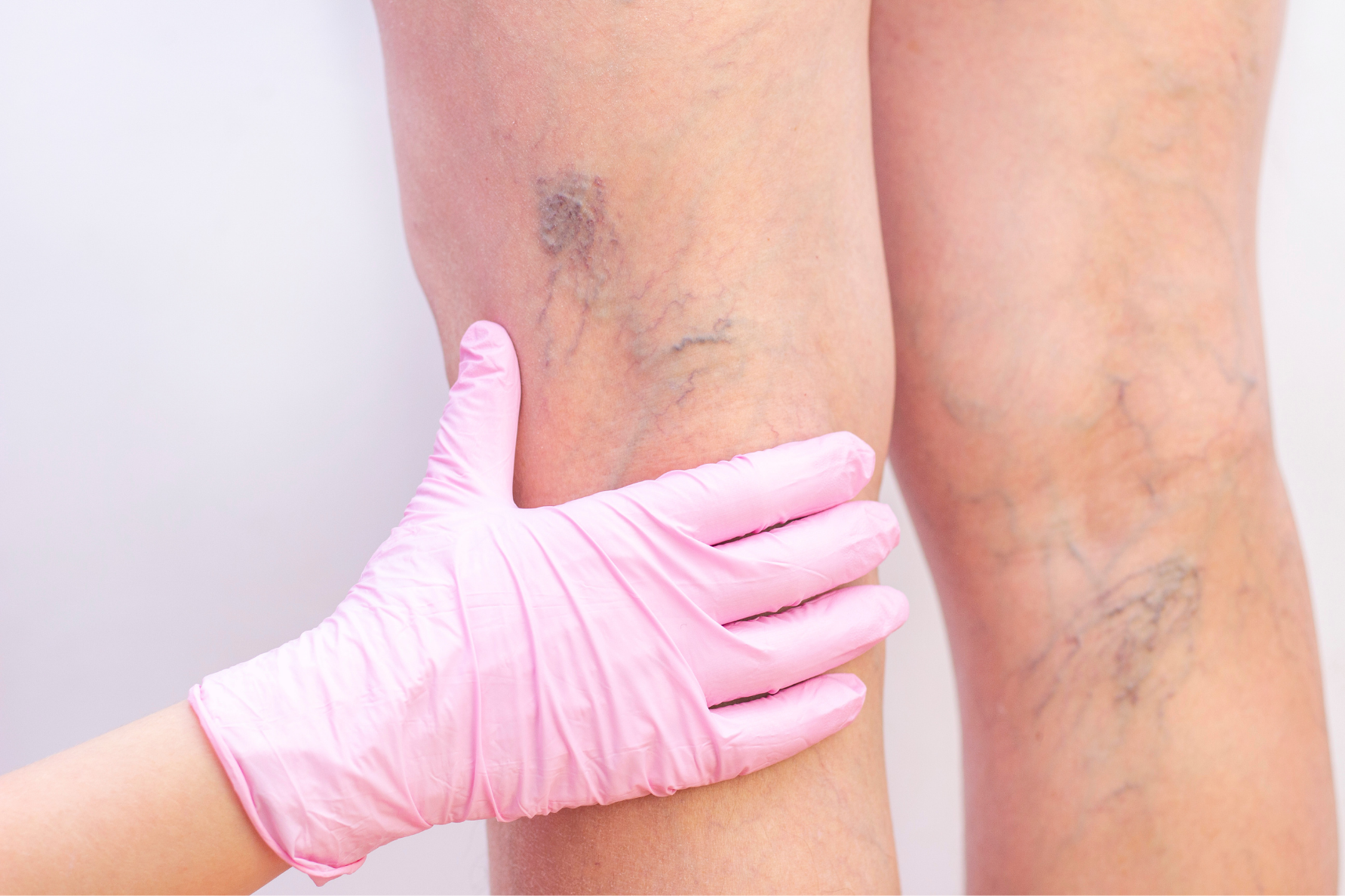
For many people, varicose veins begin as a cosmetic concern. Over time, however, they can become much more than that. Aching legs at the end of the day, heaviness after standing, ankle swelling, itching, restless nights, and visible bulging veins can all affect your quality of life.
Years ago, treatment often meant hospital admission, general anaesthetic and surgical vein stripping. Today, that has changed dramatically. Modern minimally invasive procedures allow consultants to treat the underlying vein problem through tiny punctures under local anaesthetic, with most patients walking out of the clinic the same day and returning to normal activities within a day or two.
At The Vein Surgeons in Nottingham, every treatment plan begins with a detailed consultation and Colour Duplex Ultrasound scan. Rather than simply treating the veins you can see, this imaging identifies the veins causing the problem beneath the surface. Once the source of reflux has been mapped, your consultant recommends the treatment, or combination of treatments, that will provide the safest, longest-lasting result.
This guide explains the three most common procedures: Radiofrequency Ablation (RFA) , Foam Sclerotherapy , and Phlebectomy (Avulsions) , including what each involves, who they're suitable for, recovery expectations, and why many patients benefit from combining more than one technique.
Why identifying the underlying cause matters
Many people assume that removing the visible vein is enough to solve the problem. Unfortunately, that's rarely the case.
Varicose veins develop because valves inside the veins stop working properly. Instead of directing blood upwards toward the heart, these faulty valves allow blood to flow backwards, creating increased pressure inside the vein. Over time, the vein enlarges, twists and becomes visible beneath the skin.
If only the surface veins are treated without addressing this underlying reflux, new varicose veins often develop over time.
This is why Colour Duplex Ultrasound plays such an important role before treatment. It provides a detailed map of your venous system, showing exactly where reflux begins and helping your consultant create a treatment plan tailored specifically to your anatomy.
Radiofrequency Ablation (RFA): treating the source of the problem
For most patients with varicose veins caused by reflux in the great or small saphenous vein, Radiofrequency Ablation (RFA) is considered the gold standard treatment.
Rather than removing the vein surgically, RFA closes it from the inside using carefully controlled heat delivered through a thin catheter. Once sealed, blood naturally reroutes through healthy veins, improving circulation while eliminating the pressure responsible for the visible varicose veins.
Because the procedure is performed under local anaesthetic, patients remain awake throughout. Most describe feeling only minor discomfort when the anaesthetic is injected, followed by a sensation of pressure or warmth as treatment progresses.
The procedure usually takes around an hour, after which patients are encouraged to walk immediately. Most people return to desk-based work within one or two days, while more physically demanding jobs may require slightly longer.
Although the treated vein closes instantly, symptom improvement continues over the following weeks as the body gradually absorbs the sealed vein. Many patients notice that aching, heaviness and swelling improve surprisingly quickly, even before the appearance of the leg changes significantly.
Current NICE guidance recommends RFA as the preferred first-line treatment for many patients with truncal vein reflux because of its excellent long-term success rates and rapid recovery.
Foam Sclerotherapy: an excellent treatment for smaller veins
Not every varicose vein requires heat-based treatment.
Some veins are too small, too twisted or positioned in a way that makes Radiofrequency Ablation less suitable. Others remain visible after successful RFA because they branch away from the main refluxing vein.
In these situations, Foam Sclerotherapy is often the ideal solution.
During the procedure, your consultant injects a specially prepared foam into the affected vein using ultrasound guidance. The foam pushes blood away from the vein wall, allowing the medication to act directly on the lining of the vessel. Over time, the vein seals, collapses and is gradually absorbed by the body.
The treatment itself is quick, usually taking around 30 to 45 minutes, and most patients require no more than local anaesthetic or no anaesthetic at all beyond the tiny injection.
Unlike surgery, there are no incisions, stitches or significant downtime. Patients walk immediately after treatment and typically resume normal daily activities the same day.
It is important to understand that foam treatment works gradually. The veins do not disappear overnight. Instead, they slowly fade over several weeks, and larger areas sometimes benefit from a second session to achieve the best cosmetic result.
Foam Sclerotherapy is also frequently combined with RFA, creating a comprehensive treatment plan that addresses both the underlying disease and the remaining visible veins.
Phlebectomy (Avulsions): removing visible bulging veins
Some veins remain prominent even after the underlying reflux has been treated.
These larger surface veins can often be removed immediately through a procedure known as Phlebectomy , sometimes called Avulsions .
Rather than closing the vein from within, your consultant makes tiny skin openings, often only a few millimetres long, and gently removes the affected vein using specialised instruments.
Because the incisions are so small, stitches are rarely required, and the resulting scars usually become extremely difficult to see once fully healed.
The biggest advantage of phlebectomy is that patients often notice an immediate improvement in the appearance of bulging veins. While bruising and mild soreness are common for a week or two afterwards, the raised veins themselves are gone straight away.
Many consultants perform phlebectomy during the same appointment as Radiofrequency Ablation, allowing patients to complete treatment in a single day whenever appropriate.
Why many patients receive more than one treatment
Modern varicose vein care isn't about choosing the "best" treatment from a list. Instead, it's about selecting the right combination for your individual anatomy.
For many patients, the journey follows a logical sequence.
The first priority is treating the faulty vein responsible for reflux, which is often achieved using Radiofrequency Ablation.
Once the underlying circulation has improved, any remaining branch veins can be treated with Foam Sclerotherapy or removed through targeted Phlebectomy if they remain particularly visible.
Not everyone needs every procedure. Some patients only require RFA, while others achieve the best results through a carefully planned combination performed over one or two appointments.
Because every treatment plan is based on Duplex Ultrasound findings rather than appearance alone, the result is both more effective and less likely to require repeat intervention in the future.
Minimally Invasive Varicose Vein Recovery: what should you expect?
One of the biggest advantages of minimally invasive vein treatment is how quickly patients return to normal life.
Unlike traditional surgery, there is no hospital stay, no large incision and very little disruption to your routine.
Immediately after treatment, patients are encouraged to walk to promote healthy circulation. Gentle movement actually supports recovery and helps reduce stiffness.
Compression stockings are usually worn for several days or weeks depending on the procedure performed. These stockings reduce swelling, improve comfort and support the treated veins while healing occurs.
Some bruising, tenderness or a feeling of tightness along the treated vein is completely normal. These symptoms usually improve steadily over the first few weeks.
Although visible veins begin changing immediately, the body continues absorbing treated veins for several months. Cosmetic improvement therefore continues long after the initial procedure.
What happens if symptoms remain?
Patients sometimes worry if they still notice discomfort or visible veins after treatment.
In reality, this does not necessarily mean the procedure has failed.
Large or complex vein networks often require staged treatment, allowing the main reflux to settle before deciding whether any remaining veins need additional attention.
Your consultant will normally arrange a follow-up appointment, often within two to six weeks, to assess healing and review your ultrasound findings. If necessary, a small amount of additional foam treatment or a limited phlebectomy can refine the final result.
This staged approach is common and is often the safest way to achieve the best long-term outcome.
Frequently Asked Questions
Is Radiofrequency Ablation major surgery?
No. RFA is a minimally invasive day-case procedure performed under local anaesthetic. Most patients walk immediately afterwards and return home shortly after treatment.
Is varicose vein treatment painful?
Modern treatments are generally very well tolerated. Most patients describe only brief discomfort from the local anaesthetic injections, followed by mild soreness or bruising during recovery.
How quickly will my legs feel better?
Many patients notice reduced aching and heaviness within days. Cosmetic improvement continues gradually over several weeks and months as treated veins are absorbed.
Will my varicose veins come back?
Veins removed or successfully closed do not reopen. However, because vein disease can progress naturally over time, new veins may develop elsewhere. Regular follow-up and treating underlying reflux significantly reduce the likelihood of recurrence.
Do I need compression stockings?
In most cases, yes. Your consultant will advise exactly how long to wear them based on the treatment performed and your individual recovery.
Which treatment is the most effective?
For patients with confirmed truncal vein reflux, Radiofrequency Ablation is usually the preferred first-line treatment. Foam Sclerotherapy and Phlebectomy are valuable complementary treatments that improve both symptoms and cosmetic appearance when used appropriately.
Understanding the risks
Although minimally invasive vein procedures have excellent safety records, no medical treatment is entirely without risk.
Temporary bruising, tenderness, skin discoloration and mild inflammation are among the most common side effects. Less commonly, patients may experience numbness, infection or blood clots.
During your consultation, your consultant will explain the benefits, possible risks and available alternatives so you can make an informed decision based on your health and treatment goals.
Your Next Step
If your legs regularly feel heavy or tired, if visible varicose veins are becoming more noticeable, or if you're simply wondering whether treatment is right for you, the first step is a specialist assessment.
At The Vein Surgeons, every treatment pathway begins with a Colour Duplex Ultrasound scan performed by experienced vascular specialists. This allows your consultant to identify the underlying cause of your symptoms before recommending the most appropriate treatment, whether that's Radiofrequency Ablation, Foam Sclerotherapy, Phlebectomy , or a combination tailored specifically to you.
You may also find these resources helpful:
- Radiofrequency Ablation (RFA) – Learn how heat-based treatment closes faulty veins with minimal downtime.
- Compression Stockings – Find out how compression supports healing after vein treatment.
- Microsclerotherapy for Thread Veins – Discover treatment options for smaller cosmetic veins.
- Varicose Vein Recovery Guide – Understand recovery timelines and what to expect after treatment.
Summary
Modern varicose vein treatment has transformed over the past decade. Procedures such as Radiofrequency Ablation, Foam Sclerotherapy and Phlebectomy allow consultants to treat both the underlying vein disease and the visible veins using minimally invasive techniques performed under local anaesthetic.
Most patients return home the same day, resume normal activities quickly and enjoy lasting improvements in both symptoms and appearance. The key is accurate diagnosis through Duplex Ultrasound and a personalised treatment plan designed around your individual veins, not simply treating what can be seen on the surface.
If you're ready to explore your options, arranging a specialist consultation is the first step towards lighter, healthier legs and long-term relief.