

Cold Weather and Varicose Veins: Why Your Legs Feel Different in Winter
When the clocks go back and the temperature drops, many people notice their legs change. Some find their varicose veins ache more, others say their legs feel stiff and heavy, and plenty complain of feet that never seem to warm up. It is natural to wonder whether the cold is doing something to your veins.
The link between cold weather and varicose veins is real, but it is mostly indirect. Low temperatures change how blood vessels behave, and winter changes how we live, which can make existing symptoms more noticeable. This guide explains what happens, which winter leg symptoms are harmless, which are not, and why the colder months can be a good time to get your veins looked at.
What Happens to Your Veins in the Cold
Your body protects its core temperature in cold weather by narrowing the small blood vessels in the skin, hands and feet. This is called vasoconstriction, and it is why your fingers and toes are the first parts of you to feel the chill. Less warm blood reaches the surface, so less heat is lost.
That response is normal and does not damage your veins. Varicose veins are caused by leaking valves inside the veins, a problem known as venous reflux, and cold weather does not create or worsen that valve fault. Our article on what causes varicose veins explains the valve problem in detail.
What cold does do is make some people more aware of their legs. Muscles and joints feel stiffer, skin becomes drier, and feet can feel numb or tingly when they are very cold. If you already have varicose veins, it is easy to blame them for all of this, even when some of it is simply your body reacting to the temperature.
Do Varicose Veins Get Worse in Winter?
For most people, varicose veins actually feel better in cold weather than in summer. Heat widens the veins and lets more blood pool in the legs, so swelling and heaviness are usually at their worst in hot spells, on holiday or after a hot bath. Cooler temperatures tend to keep the veins narrower.
Winter brings other changes, though. People tend to walk less, sit for longer, spend evenings on the sofa and drive instead of walking short distances. Every one of those habits reduces the work done by the calf muscle pump, which squeezes blood up through the leg veins with each step. With less pumping, blood lingers in the lower legs, and existing aching or ankle swelling can creep back.
Central heating, thick socks and boots kept on all day can also make legs warm and swollen indoors even when it is freezing outside. So if your veins feel worse in winter, the cause is more likely to be the way the season changes your routine than the cold itself. Our guide to heavy legs explains how venous heaviness builds through the day.
Why Your Legs Ache More in Cold Weather
Leg aches in winter have several possible causes, and they often overlap. Working out which applies to you helps decide whether to try simple changes first or to get advice.
Venous aching
Aching from varicose veins builds through the day, is worse after standing and eases when you raise your legs. If that pattern has become more noticeable since you started moving less, getting your daily walking back up is the first thing to try. Our lifestyle tips for vascular health cover simple habits that help.
Muscle and joint stiffness
Cold muscles and joints feel stiffer, especially first thing in the morning or after sitting outside. This type of ache usually eases once you have warmed up and moved around, and it does not follow the evening pattern of vein symptoms.
Arterial pain on walking
Pain in the calf, thigh or buttock that starts after walking a certain distance and goes within a few minutes of stopping is different. It suggests narrowed arteries rather than veins, and cold weather can bring it on sooner because the arteries narrow further in the cold. Our page on peripheral arterial disease explains this condition, which needs its own assessment.
Cold Feet and Poor Circulation
Cold feet in winter are usually just that. If your feet warm up properly once you are indoors and look a normal colour, there is rarely anything to worry about.
Colour changes in the cold
Some patterns deserve more attention. Fingers or toes that turn white, then blue, then red in the cold, often with numbness or throbbing as they rewarm, are typical of Raynaud's phenomenon . It is common and usually harmless, but your GP can confirm it and check for any underlying cause.
Signs of reduced arterial blood flow
Persistently cold feet with pain on walking, weak pulses in the feet, shiny hairless skin on the shins or wounds on the feet that heal slowly can point to poor arterial circulation. That is a different problem from varicose veins and should be checked, particularly if you smoke or have diabetes. Our article on the signs of poor circulation lists others to look out for.
Looking After Your Legs Through the Winter
Protecting your veins in winter is mostly about keeping your normal good habits going when the weather makes them harder. None of the measures below is complicated, and together they make a noticeable difference to how your legs feel by the end of the day:
- Keep walking. Aim for a daily walk, even a shorter one, and use indoor options such as shopping centres or stairs when it is icy.
- Break up long sitting. Get up every 30 to 60 minutes, and do ankle circles and calf raises while watching television.
- Raise your legs in the evening. Fifteen to twenty minutes with your feet above heart level helps pooled blood drain back.
- Keep warm without overheating. Layers and warm socks are better than sitting close to a heater or soaking in a very hot bath.
- Look after your skin. Use an unperfumed moisturiser on dry lower legs every day.
Skin care matters more than people expect. Dry winter air and central heating dry the skin, and in people with long-standing vein problems that can tip into itchy, flaky patches around the ankles. That is often varicose eczema , and it is a sign the veins underneath need assessing.
Be careful with heat on numb skin. Hot water bottles, heated pads and sitting very close to a fire can burn skin that has reduced feeling, especially in people with diabetes, without you noticing until a blister appears.
Compression Stockings in Winter
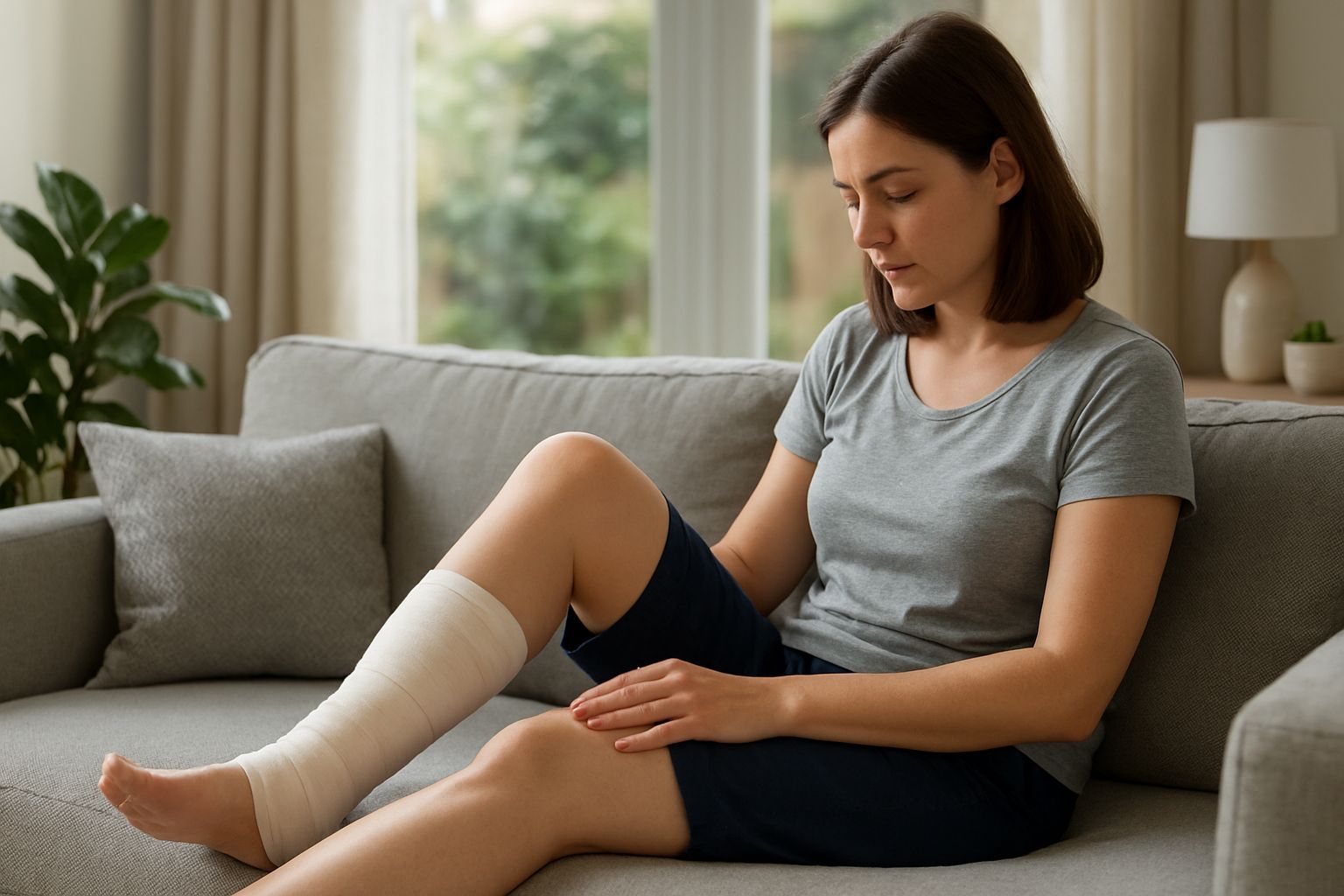
Winter is the easiest time of year to wear compression stockings. They sit under trousers and tights without anyone noticing, and they are more comfortable in cool weather than in summer heat.
If stockings have been recommended for you, keep wearing them through the colder months, put them on in the morning and take them off at night. Make sure they still fit, as the elastic weakens over a few months of washing. Our guide to how long to wear compression stockings covers fitting and daily use.
Do not start wearing strong medical stockings without advice if you have cold feet, pain on walking or diabetes. Compression can reduce blood flow further when the arteries are narrowed, so your circulation should be checked first.
Winter, Travel and Blood Clots
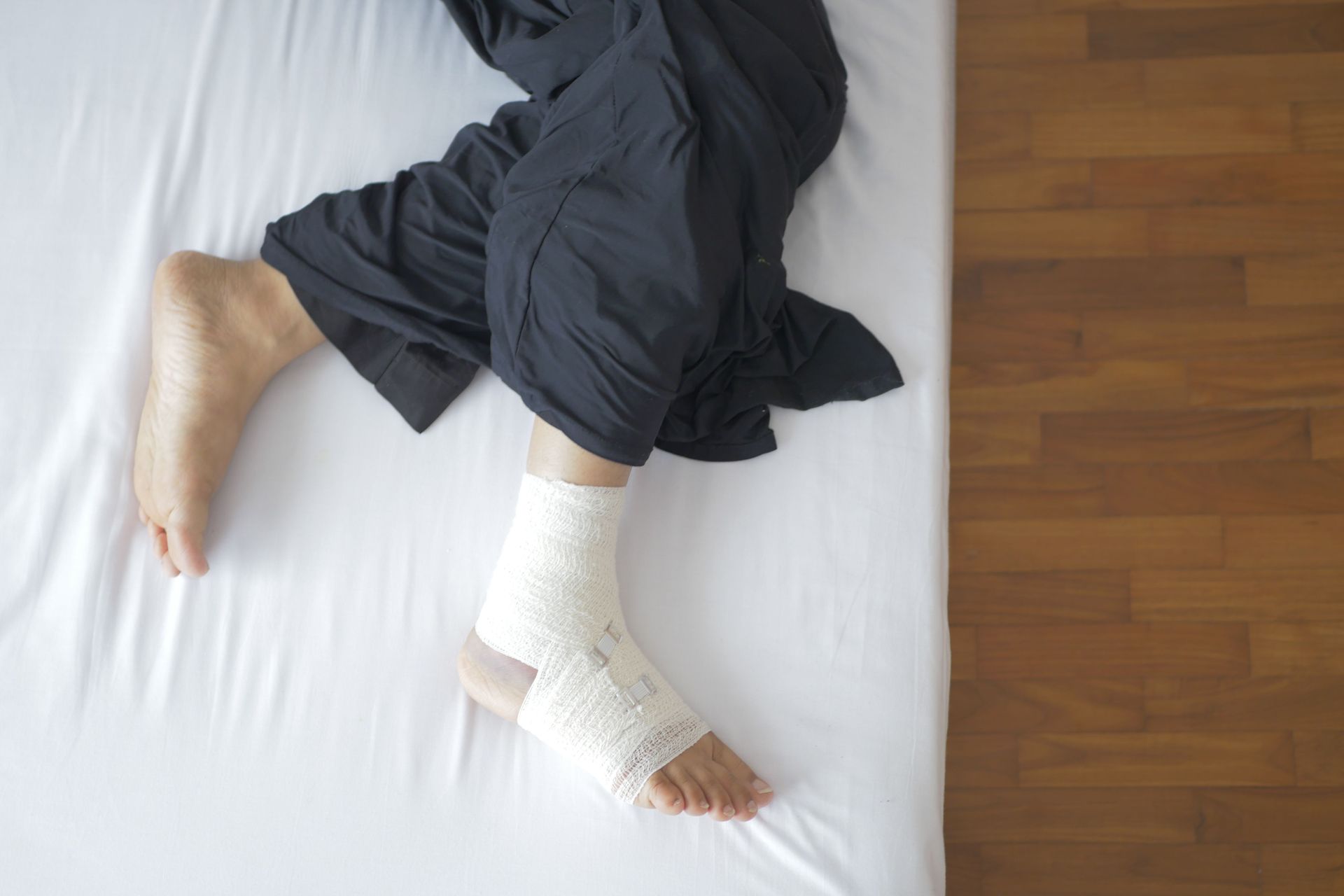
Cold weather does not cause blood clots, but some winter situations raise the risk. Long car journeys to visit family over the holidays, flu or another illness that keeps you in bed, and falls on ice leading to surgery or a leg in plaster all mean long periods without moving your legs.
On long journeys, stop every couple of hours to walk around, and flex your ankles regularly if you are a passenger. If you are unwell and in bed, try to move your legs and get up to walk when you can. Anyone who has had a clot before, has had recent surgery or is pregnant should ask their GP about extra precautions before travelling.
Sudden pain and swelling in one leg, with warmth or a change in skin colour, can be a deep vein thrombosis and needs same-day assessment through NHS 111 or your GP. Chest pain or breathlessness with those symptoms means calling 999. Our guide to the first signs of a blood clot in the leg explains the warning signs.
Why Winter Is a Good Time for Vein Treatment
Many people put off dealing with their varicose veins until they want to wear shorts again. Winter is often the more practical choice. After radiofrequency ablation, foam sclerotherapy or phlebectomy, you usually wear a compression stocking for a short time, and that is far more comfortable in cool weather. Bruising and any small marks also have time to fade before summer.
Most treatment is carried out as a day case under local anaesthetic, and many people are back at work within a day or two. Results from injection treatments develop over several weeks, so starting in the autumn or winter means the veins have settled by the time warmer weather arrives. Our guide to minimally invasive varicose vein treatment explains each option.
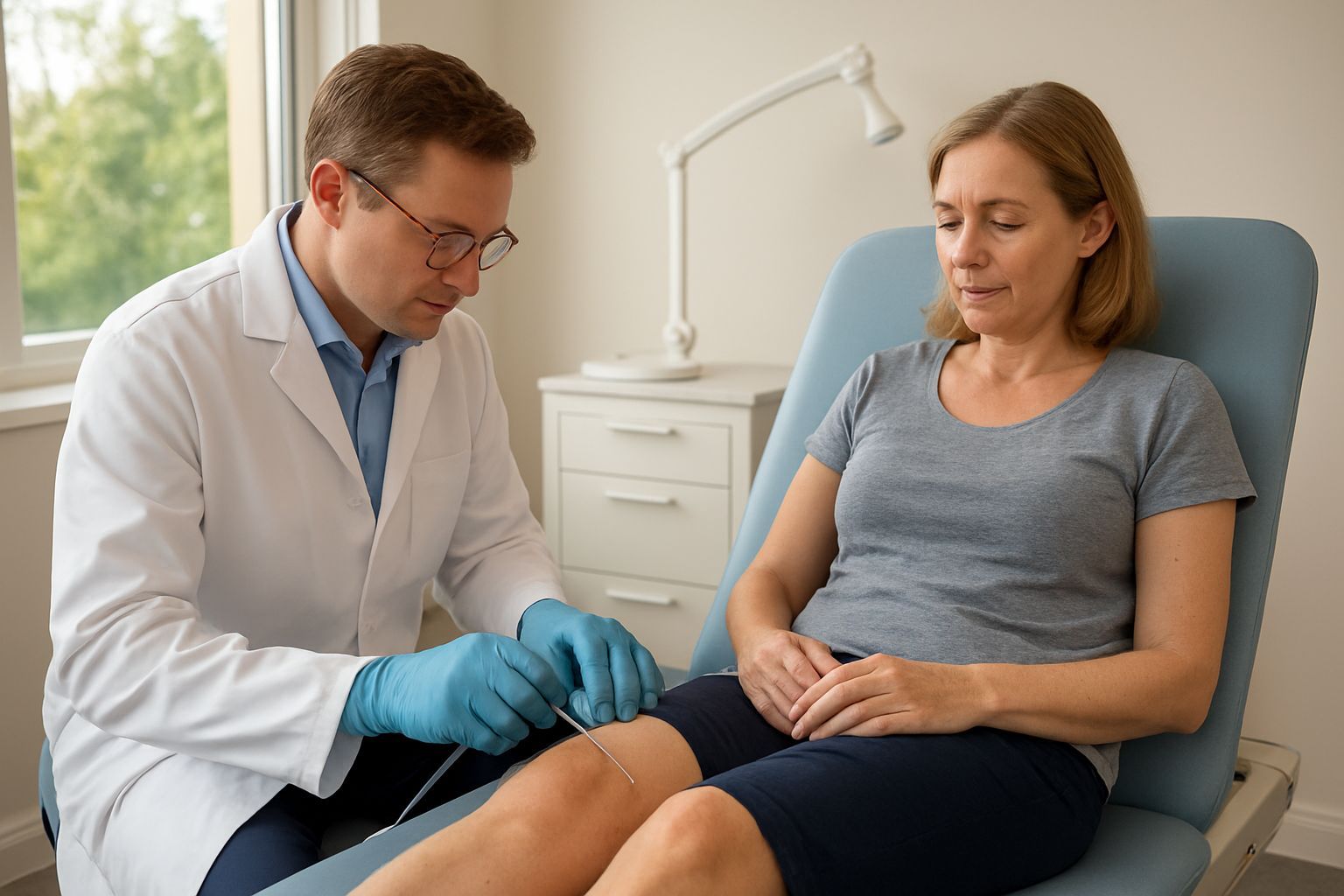
Before any treatment, a duplex ultrasound scan maps which valves are leaking. The NHS page on varicose vein treatment describes the same main options and notes that endothermal ablation is usually the first choice for suitable veins.
Winter Legs Deserve the Same Attention
Cold weather does not cause varicose veins and usually does not make them worse in itself. What changes in winter is how much you move, how much time you spend sitting in warm rooms and how dry your skin gets, and those changes can bring vein symptoms back to the surface. Keeping active, raising your legs and looking after your skin all help.
If your legs have been aching, swelling or itching for weeks, or you have been waiting for the right moment to deal with your varicose veins, the winter months are a sensible time to start. You can book a consultation with The Vein Surgeons at one of our Nottingham hospitals without a GP referral.
Frequently Asked Questions
Does cold weather make varicose veins worse?
Not directly. Cold narrows blood vessels, which can actually make varicose veins less swollen than in summer. Winter can make symptoms more noticeable, though, because people tend to move less and sit for longer, and warm rooms and tight boots can encourage swelling.
Why do my legs hurt more in the cold?
Cold muscles and joints feel stiffer, and reduced activity in winter can make vein aching more noticeable. Pain in the calf that comes on with walking and stops with rest is different, as it can be a sign of narrowed arteries, and it should be checked by a doctor.
Are cold feet a sign of poor circulation?
Usually not. Most cold feet are a normal response to low temperatures. Feet that stay cold in a warm room, change colour, hurt on walking or have slow-healing wounds can be a sign of reduced arterial blood flow and should be assessed.
Is winter a good time to have varicose veins treated?
Yes. Compression stockings are more comfortable to wear in cooler weather, and any bruising or marks have time to fade before summer. Results from foam sclerotherapy and phlebectomy also take several weeks to settle, so treating in winter means your legs look their best by the time you want to show them.
Should I wear compression stockings in winter?
If they have been recommended for you, winter is an easy time to wear them, as they are hidden under clothing and comfortable in cooler weather. If you have not been advised to wear them and you have cold feet, diabetes or pain on walking, get your circulation checked before buying strong stockings.