

Heavy Legs: Why Your Legs Feel Heavy and When to Get Them Checked
Heavy legs are one of the most common things people describe to a vascular surgeon, and one of the hardest to explain to anyone else. There is no obvious injury and nothing to point at. Your legs simply feel like they are filled with sand, especially by the evening, and climbing the stairs takes more effort than it should.
A heavy leg sensation can come from the veins, the arteries, the muscles or the nerves, and each of those has a different pattern. This article explains the most likely causes, how the timing of your symptoms helps narrow them down, what you can do at home, and which signs mean you should be seen quickly rather than waiting.
What a Heavy Leg Sensation Usually Means
Most people use "heavy" to describe a dull, dragging tiredness rather than sharp pain. It tends to sit in the calves and ankles, and it often comes with aching, mild swelling or a restless feeling that makes it hard to settle in the evening.
In many cases the feeling comes from blood that is not leaving the legs as efficiently as it should. Veins in the legs carry blood upwards against gravity, helped by one-way valves and by the squeezing action of the calf muscles when you walk. When those valves leak, blood pools in the lower leg, pressure in the veins rises and the tissues become congested. That congestion is what many people feel as heaviness.
Veins are not the only explanation, though. Narrowed arteries, nerve compression in the lower back, some medicines and conditions that cause fluid retention can all make legs feel heavy and weak. Telling these apart matters, because the treatment for one can be unsuitable for another. If you want a quick overview of circulation problems in general, our article on the signs of poor circulation is a useful starting point.
Heavy Legs Caused by Your Veins
Venous problems are the most frequent cause of heavy legs in adults. The NHS lists aching and a feeling of heaviness among the main symptoms of varicose veins, and notes that symptoms often get worse after standing for a long time and ease when the legs are raised.
That pattern is the clearest clue. Venous heaviness builds through the day, is worse in warm weather and after long periods on your feet, and improves overnight or when you put your feet up.
Varicose Veins and Chronic Venous Insufficiency
When valves in the superficial veins fail, blood flows backwards and the veins stretch, twist and bulge. Over time the raised pressure can spread to the skin around the ankle, causing swelling, brown discolouration, itchy eczema and, in some people, ulcers. This longer-term picture is called chronic venous insufficiency, and heaviness is often one of its earliest symptoms.
Treating the faulty vein usually relieves the heaviness as well as the visible veins. Our page on varicose vein treatment in Nottingham explains how radiofrequency ablation and foam sclerotherapy close the leaking vein, and our page on leg ulcers and chronic venous insufficiency covers the later skin changes.
Reflux Without Visible Varicose Veins
Not everyone with venous heaviness has obvious bulging veins. The main superficial veins run deep in the fat of the thigh and calf, and they can leak for years before anything shows on the surface. Some people only notice fine thread veins around the ankle or behind the knee.
This is why a colour duplex ultrasound scan is so useful. It shows the direction of blood flow in each vein, so reflux can be found even when the leg looks fairly normal. If you have thread veins along with heaviness, our guide to spider veins vs varicose veins explains why the two can be connected.
Pregnancy, Heat and Long Days on Your Feet
Hormonal changes in pregnancy relax the vein walls, and the growing womb presses on the veins in the pelvis. Many women notice heavy legs for the first time during pregnancy, and varicose veins that appear then often improve after the birth. Treatment is usually postponed until afterwards. Our article on what causes varicose veins explains why pregnancy has such a strong effect.
Heat widens the veins, so heaviness is commonly worse in summer, after a hot bath or on holiday, and our article on cold weather and varicose veins explains why many people feel better in cooler months. Jobs that involve standing still, such as hairdressing, teaching, retail and nursing, keep the calf pump idle for hours. None of these causes the valve problem on their own, but they make an existing weakness much more noticeable.
When Heaviness Comes From the Arteries Instead
Arteries bring oxygen-rich blood to the leg muscles. When they narrow with fatty deposits, a condition called peripheral arterial disease (PAD), the muscles do not get enough blood when they are working hard. The result is a cramping, heavy or tired feeling in the calf, thigh or buttock that appears while walking.
The NHS describes this as a painful ache in the legs during walking that usually disappears after a few minutes' rest . The medical term is intermittent claudication. The key difference from venous heaviness is that it is brought on by exercise and relieved by stopping, not by lying down or raising the legs.
PAD is more likely in people who smoke, have diabetes, high blood pressure or high cholesterol, or are over 60. It matters beyond the legs, because narrowed arteries in the legs often mean narrowed arteries elsewhere, including the heart and the neck. Our page on peripheral arterial disease treatment covers how it is diagnosed and managed. Compression stockings, which help many venous problems, can be harmful when arterial blood flow is poor, so this check should come before you buy strong stockings.
Using Timing to Narrow Down the Cause
Vascular surgeons ask a lot of questions about when the heaviness happens, because timing often points to the cause before any test is done. Keeping a simple note for a week or two of when your legs feel worst, and what makes them better, can make your appointment far more productive.
These patterns are a guide, not a diagnosis, but they are the ones specialists look for:
- Heaviness that builds through the day and eases when you lie down or raise your legs suggests a venous cause.
- Heaviness or cramp that starts after walking a fairly predictable distance and goes within a few minutes of standing still suggests narrowed arteries.
- Heaviness and weakness on walking that needs you to sit down or bend forward to ease it, often with back pain or tingling, can point to spinal stenosis rather than a circulation problem.
- Heaviness with swelling in both legs, together with breathlessness or rapid weight gain, can be a sign of heart, kidney or liver problems and should be checked by your GP.
- Sudden heaviness, pain and swelling in one leg is different from all of these and needs urgent assessment for a blood clot.
Many people have more than one pattern. Someone in their seventies can have varicose veins and early arterial disease at the same time, which is one reason a full vascular assessment examines both. If you are unsure whether your symptoms justify a specialist opinion, our article on when to see a vascular surgeon goes through the warning signs in more detail.
Other Reasons Legs Feel Heavy and Weak
Medicines
Some medicines cause ankle swelling and a heavy feeling. Calcium channel blockers used for blood pressure, such as amlodipine, are a common example, and steroids and some diabetes and hormone medicines can do the same. Do not stop a prescribed medicine on your own, but do mention the symptom to the prescriber.
Lymphoedema
Lymphoedema, where lymph fluid builds up in the tissues, causes a heavy, full leg that does not go down much overnight. It can follow cancer treatment, infection or surgery, and long-standing venous disease can also overload the lymphatic system. The swelling tends to be firmer than venous swelling and can include the foot and toes.
Tiredness and muscle causes
General causes of tiredness, such as anaemia, an underactive thyroid or simply deconditioned muscles, can make the legs feel weak and heavy without any problem in the blood vessels. Muscles that have been worked hard in a new exercise routine will also feel heavy for a day or two. These usually affect both legs equally and do not follow the standing or walking patterns described above. If you are not sure which pattern fits, our guide to varicose veins symptoms describes how vein-related discomfort usually behaves.
Signs That Need Urgent Attention
Most heavy legs build up slowly and can be assessed at a planned appointment. A few situations cannot wait. A deep vein thrombosis (DVT) is a clot in one of the deep veins, and it can cause throbbing pain, swelling and redness or darkening of the skin, usually in one leg.
The NHS advice on DVT is to call 111 or ask for an urgent GP appointment if you think you have one. If you also feel short of breath or have chest pain, call 999 or go to A&E, because the clot may have travelled to the lungs.
Arterial symptoms can also become urgent. A leg that suddenly turns cold, pale and painful, or pain in the foot at rest that wakes you at night, means blood supply may be critically reduced. Our guide to the first signs of a blood clot in the leg explains how to recognise a DVT, and our page on deep vein thrombosis covers how clots are treated once the emergency has been dealt with.
What Helps Heavy Legs Day to Day
Walking is the simplest treatment for venous heaviness, because every step squeezes blood up through the calf veins. If you sit or stand for long periods, short walks every hour and calf raises at your desk or the kitchen counter help keep the pump working.
Raising your legs above the level of your heart for 15 to 20 minutes in the evening lets pooled blood drain back. Losing excess weight reduces pressure on the veins in the abdomen and pelvis. Loose clothing around the waist and avoiding very hot baths when your legs are swollen can also make a noticeable difference. Our lifestyle tips for vascular health cover these habits in more depth.
Graduated compression stockings can ease venous heaviness well, but they treat the symptom rather than the leaking vein. They should be measured properly, and your arterial circulation should be checked first. If you need stockings every day to stay comfortable, that is usually a sign the underlying vein is worth investigating. Our guide to how long to wear compression stockings covers fitting and daily use.
How a Vascular Assessment Finds the Cause
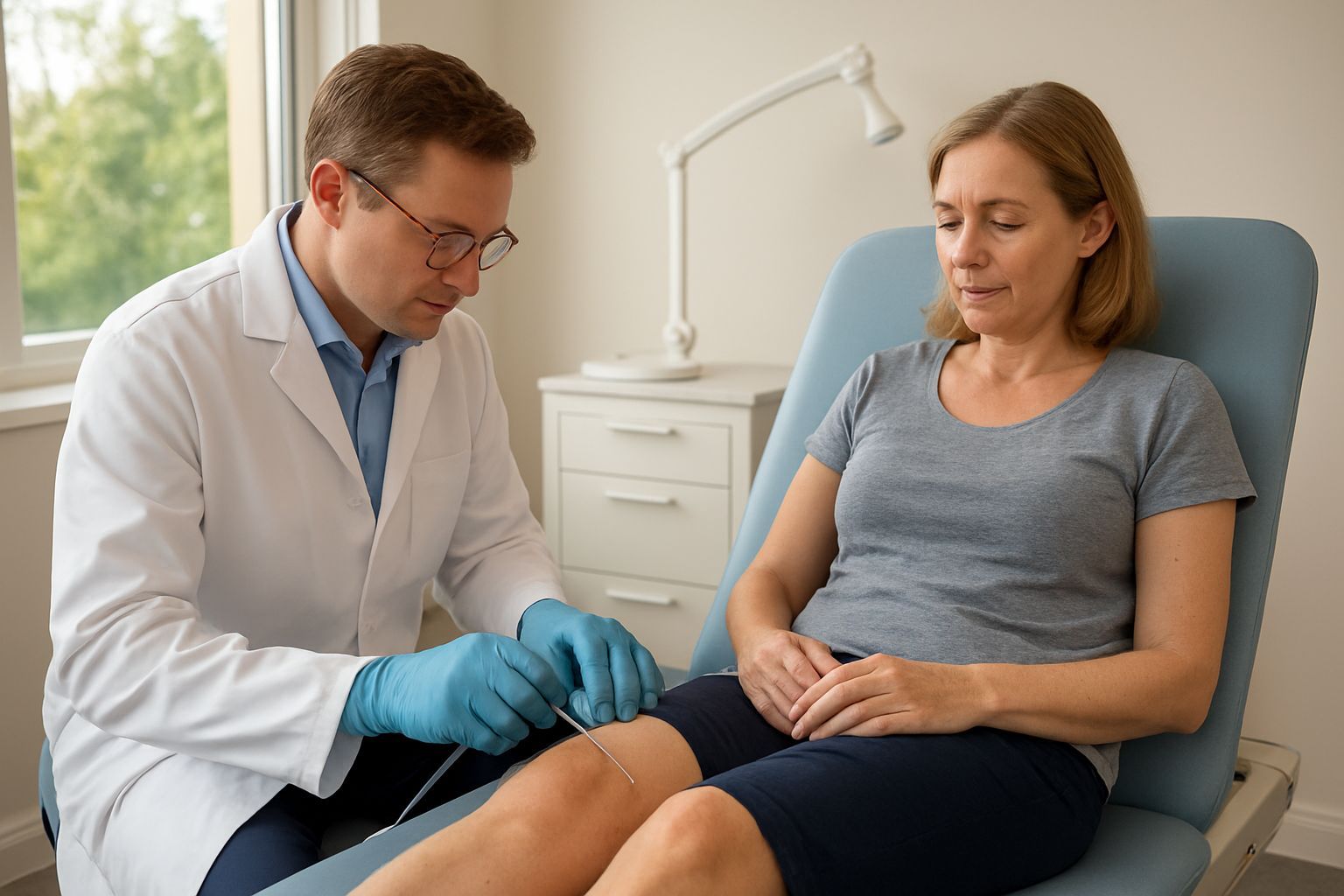
A specialist assessment starts with your history: when the heaviness happens, what eases it, your general health, medicines and any family history of vein problems. The surgeon then examines both legs standing up, looking for varicose veins, skin changes, swelling and pulses in the feet.
A colour duplex ultrasound scan maps blood flow in the veins and shows exactly where any reflux starts. If the arteries are in question, an ankle brachial pressure index compares blood pressure at the ankle with blood pressure in the arm, and the scan can examine the leg arteries as well. Together these tests usually separate a venous cause from an arterial one in a single visit.
The result is a clear answer about whether there is a treatable vascular problem, and if not, which other avenue is worth exploring with your GP. Our article on how a vascular surgeon can help explains the range of conditions that fall under a vascular specialist's care.
Getting to the Bottom of Heavy Legs
Heavy legs are common, but they are not something you simply have to accept. When the heaviness builds through the day and eases with your feet up, leaking veins are the likely cause, and they can usually be treated as a day case. When it comes on while walking and goes with rest, the arteries need checking. Sudden swelling and pain in one leg needs urgent attention.
If your legs have felt heavy for weeks or months, an assessment with a consultant vascular surgeon can give you a definite answer. The Vein Surgeons see patients at three hospitals in Nottingham, listed on our locations page , and you can book a consultation online without a GP referral. You can also read about our surgeons before you choose who to see.
Frequently Asked Questions
Why do my legs feel heavy and weak at the end of the day?
Heaviness that builds through the day is most often caused by blood pooling in the lower legs because the vein valves are not working well. Standing still for long periods makes it worse, and raising your legs usually helps. If it happens regularly, a duplex ultrasound scan can show whether there is venous reflux that would benefit from treatment.
Can heavy legs be a sign of a blood clot?
Yes, but the pattern is different. A blood clot usually causes sudden pain, swelling and a change in skin colour in one leg, rather than gradual heaviness in both. If you have those symptoms, call NHS 111 or ask for an urgent GP appointment, and call 999 if you also have chest pain or feel short of breath.
Do compression stockings help heavy legs?
They often ease heaviness caused by poor venous return, because they support the veins and reduce swelling. They do not fix a leaking valve, and they can be unsafe if the arteries are narrowed. Ask a professional to check your circulation and measure you before you start wearing medical-grade stockings.
Will varicose vein treatment get rid of the heavy feeling?
For many people with venous reflux, yes. Closing the faulty vein with radiofrequency ablation or foam sclerotherapy reduces pressure in the lower leg, and heaviness and aching often improve within a few weeks. If the heaviness has another cause as well, such as arterial disease, that part will not change, which is why a full assessment comes first.
Who should I see about heavy legs?
Your GP is a sensible first step, especially if you have other symptoms such as breathlessness or swelling in both legs. If the pattern suggests a vein or artery problem, a vascular surgeon is the specialist who assesses and treats both, and private patients can usually book directly without a referral.