

Recovery After Varicose Vein Treatment: A Week-by-Week Guide
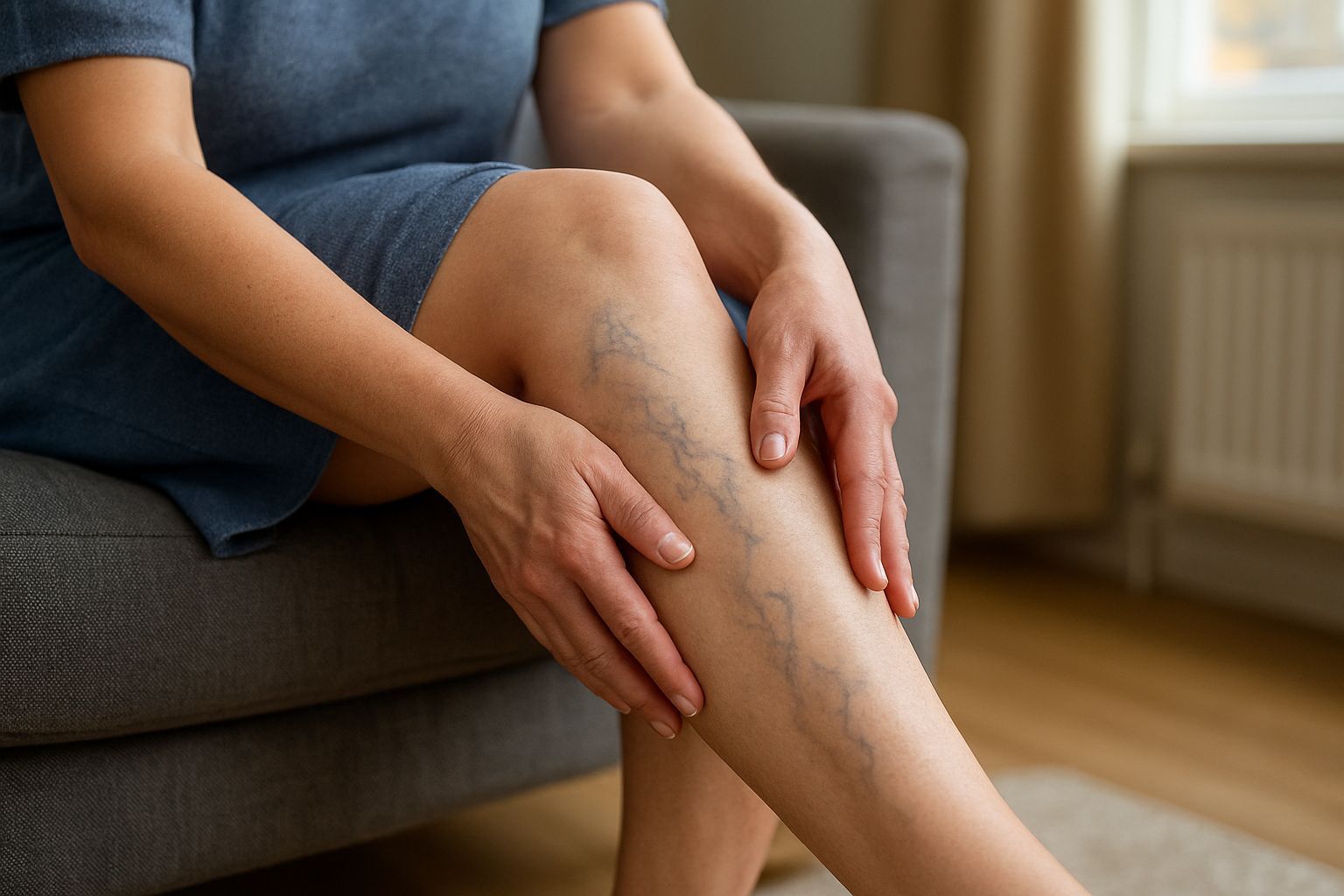
Most people who decide to have their varicose veins treated have the same practical questions. How much will it hurt? When can I go back to work, drive, run or fly? How long will the bruising last, and when will my legs actually look better? Modern treatment is far gentler than the old stripping operation, but knowing what is normal makes the first few weeks much easier.
This guide walks through recovery after varicose vein treatment from the day of the procedure to the final result, using the treatments The Vein Surgeons provide: radiofrequency ablation (RFA), ultrasound-guided foam sclerotherapy and avulsions (phlebectomy). Every leg is different, and your surgeon will give you instructions for your own treatment, which always take priority over general advice.
What Happens on the Day of Treatment
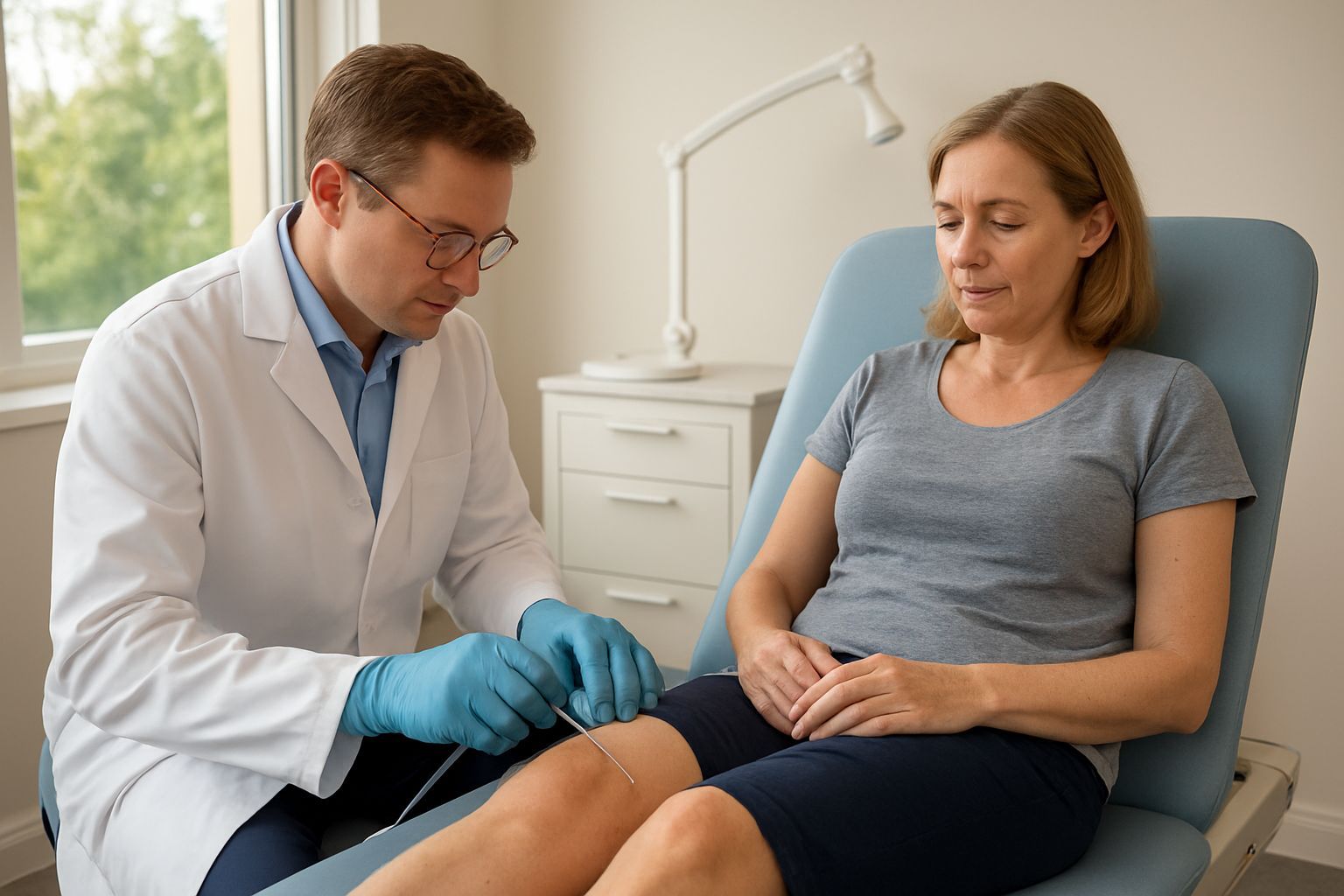
Most varicose vein treatment is done as a day case. You walk in, have the procedure and walk out the same day. RFA and foam sclerotherapy are carried out under local anaesthetic, while more extensive avulsions may be done under general anaesthetic, in which case you will need someone to take you home.
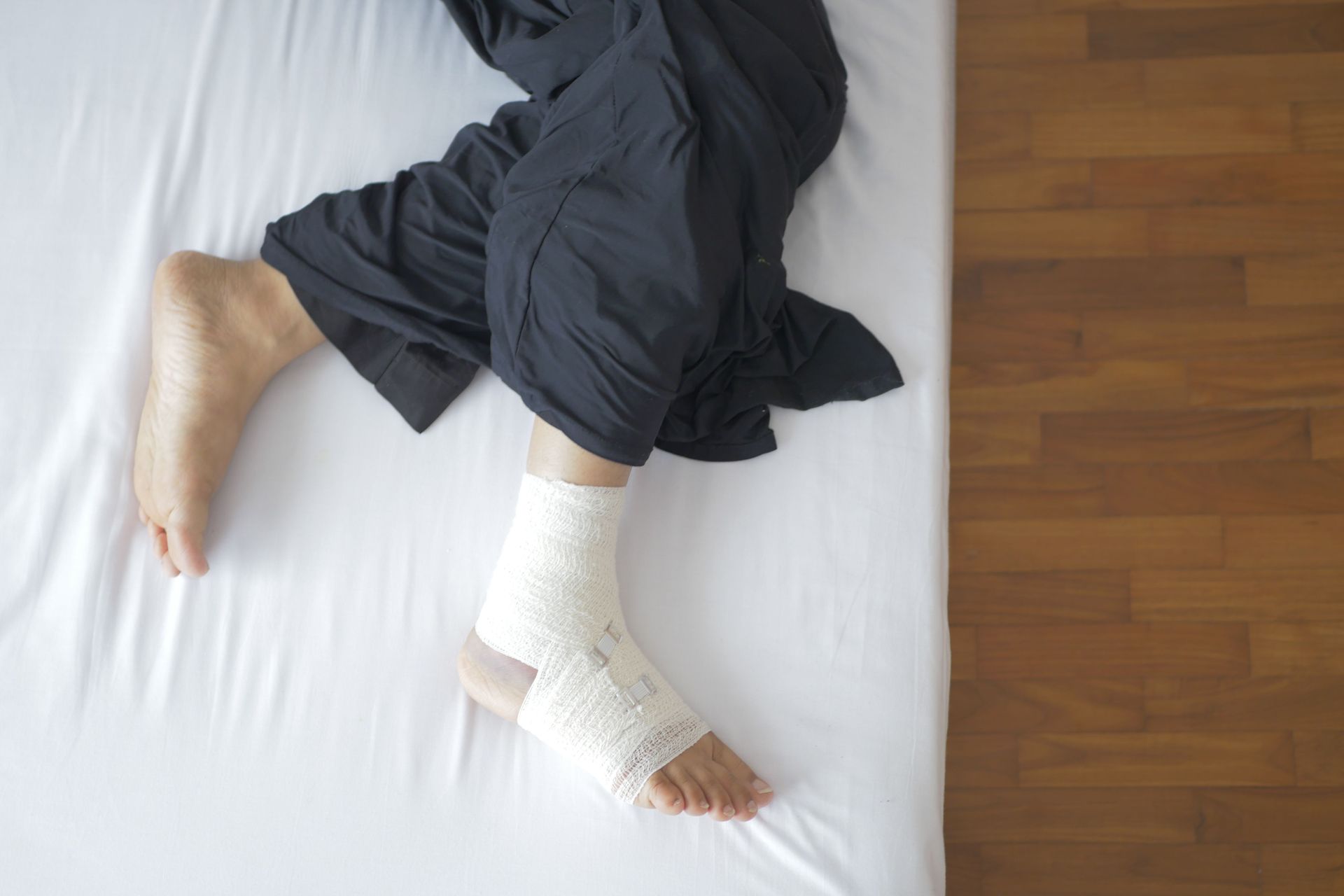
After RFA, the treated leg is usually wrapped in a bandage or compression stocking, and you will be encouraged to walk around before you leave. Walking matters from the very first hour, because it keeps blood moving through the deep veins and lowers the small risk of a clot. Foam sclerotherapy is quicker, often 30 to 45 minutes, and most people carry on with normal activities straight away.
Plan to take it easy for the rest of the day. Wear loose trousers that fit over the stocking, have simple painkillers at home, and arrange for someone to drive you if you have had a general anaesthetic or sedation. Our guide to minimally invasive varicose vein treatment explains each procedure in more detail.
The First Week
The first week is when you will notice the most, and also when your routine makes the biggest difference to how quickly you settle.
Walking
Aim to walk several times a day, building up from short walks around the house to 20 or 30 minutes outside. Avoid standing still for long periods and long spells sitting with your legs down. When you rest, put your feet up. This combination of walking and elevation reduces swelling and discomfort more than anything else.
Compression
You will usually wear a compression stocking for up to about a week. The NHS page on varicose vein treatment describes the same period, and NICE guidance on varicose veins (CG168) advises that compression after treatment should not usually continue for more than seven days. Your surgeon will tell you whether to wear it day and night for the first day or two and then during the day only. Our guide to how long to wear compression stockings covers putting them on and looking after your skin.
Pain relief
Expect aching, tightness or a pulling feeling along the line of the treated vein, often worst on days three to five. After RFA, some people feel a firm, tender cord on the inner thigh as the vein seals. This is normal. Paracetamol, and ibuprofen if it is safe for you, usually control it well, and walking eases it rather than making it worse.
Bruising, Lumps and Skin Colour Changes
Bruising
Bruising is the part of recovery people worry about most, and it is almost always harmless. After avulsions, small bruises around each tiny nick are expected. After RFA, bruising along the inner thigh or calf is common, and after foam sclerotherapy the treated veins can look darker for a while. Trials have found less early bruising after RFA than after older laser treatment, as our comparison of radiofrequency ablation vs laser ablation explains.
Lumps and staining
Most bruising fades over two to three weeks. Treated veins may feel like firm, tender lumps under the skin for several weeks while the body absorbs them. Brown staining along veins treated with foam is also common and usually fades over a few months, although in some people it takes longer.
Trapped blood and numbness
Small trapped collections of blood can form in a treated vein after foam sclerotherapy and make it feel lumpy and sore. If this happens, mention it at your follow-up, as it can sometimes be released to ease the discomfort. Numbness or tingling in a small patch of skin near the ankle or knee can occur after RFA or avulsions and usually improves over weeks to months.
Weeks Two to Four
By the second week, most people feel much more comfortable. Bruising is fading, the aching is less frequent, and the leg looks closer to normal.
This is the period to build your activity back up. You can usually return to the gym, swimming and longer walks during weeks two to four, starting gently and listening to your leg. At The Vein Surgeons, we generally advise avoiding strenuous exercise, heavy lifting and prolonged standing for one to two weeks after RFA, and high-impact exercise for about a week after foam sclerotherapy. Our lifestyle tips for vascular health cover habits that support your veins over the longer term.
Your follow-up appointment often falls in this window. It is a chance to check that the treated vein has closed, review any remaining veins and decide whether a top-up session of foam sclerotherapy would help. Our consultant vascular surgeons see patients for follow-up at all three of our Nottingham hospitals.
When You Will See the Final Result
Symptoms usually improve before appearance does. Heaviness, aching and evening swelling often ease within days to a few weeks of closing the leaking vein, because the pressure in the lower leg drops straight away.
How the leg looks takes longer. Veins removed by avulsion are gone immediately, although the nicks and bruises need a few weeks to settle. Veins treated with foam sclerotherapy usually show visible improvement in two to four weeks, with the best result at around eight to twelve weeks as the body gradually absorbs them. Some people need a second session for remaining veins.
If you have skin changes such as varicose eczema , itching and flares often settle over the following months, but brown staining may fade only slowly. Treatment does not stop new veins forming in future, which our article on recurrent varicose veins explains.
Driving, Work, Exercise and Flying
These are the questions patients ask most often after treatment. The timings below are typical, and the instructions you receive on the day of your procedure are the ones to follow.
- Work: most people return to desk-based work within one to two days of RFA, and often the next day after foam sclerotherapy. Jobs that involve heavy lifting or standing all day may need a week or two.
- Driving: you can drive once you can make an emergency stop comfortably and are not taking medicines that make you drowsy. This is often within a few days. Do not drive for at least 24 hours after a general anaesthetic, and check your insurer's requirements.
- Exercise: walking from day one, gentle exercise from the first week, and more strenuous exercise after one to two weeks, building up gradually.
- Flying: we usually advise avoiding long-haul flights and long periods of immobility for four weeks after RFA. Shorter trips may be possible sooner, so ask your surgeon before you book.
- Baths and swimming: showers are usually fine once dressings allow. Wait until the small wounds have healed before swimming or soaking in a bath.
If you have time off planned around treatment, the colder months are a good choice, as compression is more comfortable and bruising has time to fade before summer. Our article on cold weather and varicose veins explains why.
Many people are surprised by how little time they need off. Booking treatment at the end of the week often gives enough time to settle before returning to work on Monday.
Normal Recovery vs Warning Signs
Most discomfort after treatment is expected and settles steadily. A few symptoms are different and should not wait for your follow-up appointment.
Contact your surgeon or the hospital if you notice increasing redness, heat or pus around a wound, a fever, or pain that keeps getting worse after the first few days instead of improving. These can be signs of infection or inflammation that needs checking.
Sudden swelling of the whole calf or leg, with pain that is different from the tenderness along the treated vein, needs same-day assessment, because it can be a deep vein thrombosis. Chest pain or breathlessness means calling 999 straight away. Clots after modern vein treatment are uncommon, and walking regularly is the best way to keep the risk low. Our guide to the first signs of a blood clot in the leg explains what to look for.
Planning a Smooth Recovery
Recovery after varicose vein treatment is usually quick: most people walk out the same day, are back at work within a day or two, and see their symptoms improve within weeks. Bruising, tenderness and firm lumps along the treated veins are normal and fade over the following weeks, while the final appearance develops over two to three months.
If you are thinking about treatment and want to know what recovery would look like for your veins, a consultation and duplex scan will give you a clear plan. You can book a consultation with The Vein Surgeons at one of our three Nottingham hospitals, and our guide to varicose vein treatment cost in the UK explains what is included in each treatment.
Frequently Asked Questions
How long does bruising last after varicose vein treatment?
Most bruising fades within two to three weeks. Firm, tender lumps along treated veins can last several weeks while the body absorbs them, and brown staining after foam sclerotherapy may take a few months to fade. If bruising spreads rapidly or the leg swells suddenly, contact your surgeon.
How long after radiofrequency ablation can I go back to work?
Most people return to office work within one to two days. If your job involves heavy lifting, long periods of standing or a lot of physical effort, you may need one to two weeks. Your surgeon will advise you based on the treatment you have had.
When can I fly after varicose vein treatment?
We usually advise avoiding long-haul flights and long periods of immobility for four weeks after radiofrequency ablation. Shorter journeys may be possible sooner. When you do travel, walk regularly, flex your ankles and stay hydrated, and check with your surgeon before booking.
Is it normal to feel a hard lump after varicose vein treatment?
Yes. A firm, slightly tender cord along the treated vein is common after RFA and foam sclerotherapy, as the sealed vein is gradually absorbed. It usually softens over several weeks. If a lump is very painful, red and hot, or the whole leg swells, get it checked.
When will my legs look better after foam sclerotherapy?
Visible improvement usually appears in two to four weeks, with the best result at around eight to twelve weeks. Some veins need a second session. Treated veins can look darker for a while before they fade.